Imagine finding yourself lost in the vast wilderness, surrounded by towering trees and unfamiliar terrain. You’re miles away from civilization, with limited supplies and dwindling daylight. What do you do next? How can you ensure your survival in such a challenging environment? The Ultimate Guide to Wilderness Survival offers practical insights and expert advice to help you navigate through these daunting scenarios. It’s not just about surviving; it’s about thriving in the face of adversity. So, are you prepared to unlock the secrets to conquering the wild?
Essential Gear for Wilderness Survival
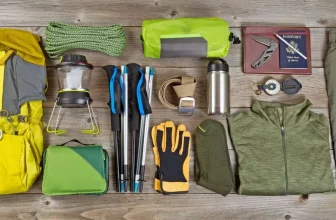
To increase your chances of survival in the wilderness, having the right essential gear is crucial. One of the most important items to have is a reliable multi-tool. This versatile tool can help you with various tasks such as cutting, opening cans, or fixing equipment. A sturdy fixed-blade knife is also a must-have for cutting branches, preparing food, or self-defense if needed.
Carrying a waterproof fire starter is vital for creating warmth, cooking food, and signaling for help. Additionally, having a compact first aid kit with essentials like bandages, antiseptic wipes, and pain relievers can be a lifesaver in case of injuries. It’s also wise to pack a map and compass to navigate your surroundings effectively.
Furthermore, a durable water bottle or canteen is essential for staying hydrated. Consider packing high-calorie, non-perishable snacks like energy bars or nuts to sustain your energy levels. Lastly, a reliable flashlight or headlamp is crucial for visibility during the dark hours. Remember, always double-check your gear before heading into the wilderness to ensure you’re prepared for any situation.
Building Shelters in the Wild
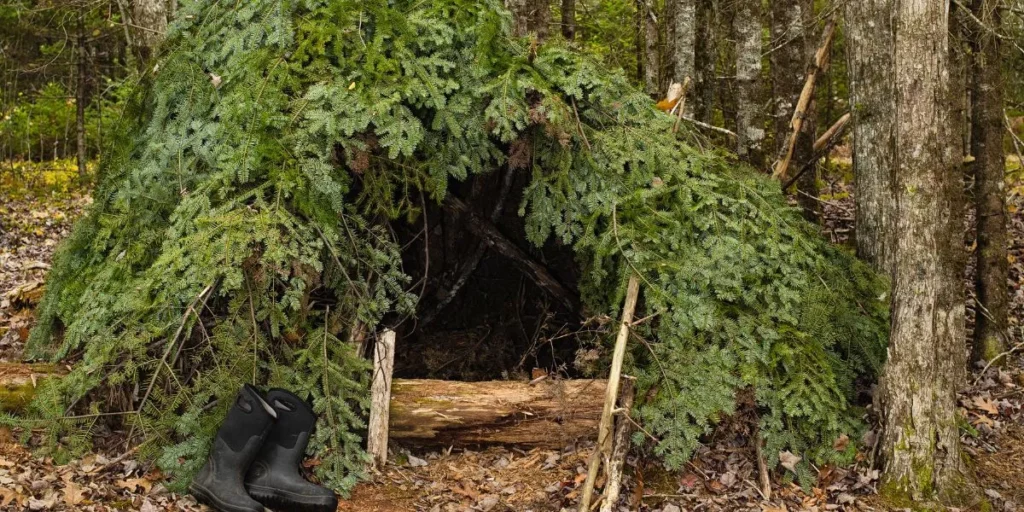
Preparing for a night in the wilderness involves constructing sturdy shelters to protect yourself from the elements. When building a shelter, look for natural formations like caves, overhangs, or fallen trees that can offer immediate protection. If these options aren’t available, you can create a shelter using branches, leaves, and other forest debris.
Start by finding a sturdy tree branch to use as the central support for your shelter. Lean smaller branches against this central support in a slanted fashion to create a frame. Layer leaves, moss, or even pine needles on top for insulation and waterproofing. Make sure to build your shelter on high ground to avoid flooding and near natural windbreaks like large rocks or trees.
Finding Food and Water Sources
Scouring the wilderness for food and water sources is essential for your survival. When searching for water, remember that clear running water is your best bet as it’s less likely to be contaminated. Look for signs of animal tracks or green vegetation, as these can indicate a water source nearby. If you can’t find a stream or river, try collecting dew early in the morning or fashioning a solar still to extract water from plants.
For food, focus on easily identifiable plants like berries, nuts, and certain leafy greens. Avoid mushrooms unless you’re absolutely certain they’re safe to eat. Fishing can also be a reliable food source if you’re near a body of water. Setting up simple traps or snares can help catch small game like rabbits or squirrels. Remember to cook any meat thoroughly to avoid foodborne illnesses. Prioritize finding water first, as you can survive longer without food than you can without water.
Navigating and Surviving in Rough Terrain
When navigating and surviving in rough terrain, always prioritize safety by assessing your surroundings and planning your route carefully. Start by familiarizing yourself with the terrain features and landmarks to help you stay on track. Utilize a map and compass to orient yourself and plot a safe course. Remember to pack essential gear like a first aid kit, extra clothing layers, a flashlight, and a multi-tool for emergencies.
As you move through rough terrain, watch your footing to avoid slips and falls. Take your time to navigate challenging obstacles, such as steep slopes or rocky areas, ensuring each step is secure before proceeding. Stay hydrated and take regular breaks to rest and re-energize. If you find yourself lost, stay calm, and try to retrace your steps to a familiar location. Using natural signs like the sun’s position or the direction of moss growth on trees can also help you find your way.