When setting up a safe outdoor cooking area, your priority should be creating a space that minimizes risks and ensures enjoyable grilling sessions. From selecting the right location to maintaining equipment and practicing fire safety, each step plays a crucial role in safeguarding your outdoor cooking environment. Remember, a well-prepared outdoor cooking area not only enhances your culinary experience but also guarantees peace of mind. So, let’s dive into the essential strategies that will keep you safe and your food delicious in the great outdoors.
Choosing the Right Location
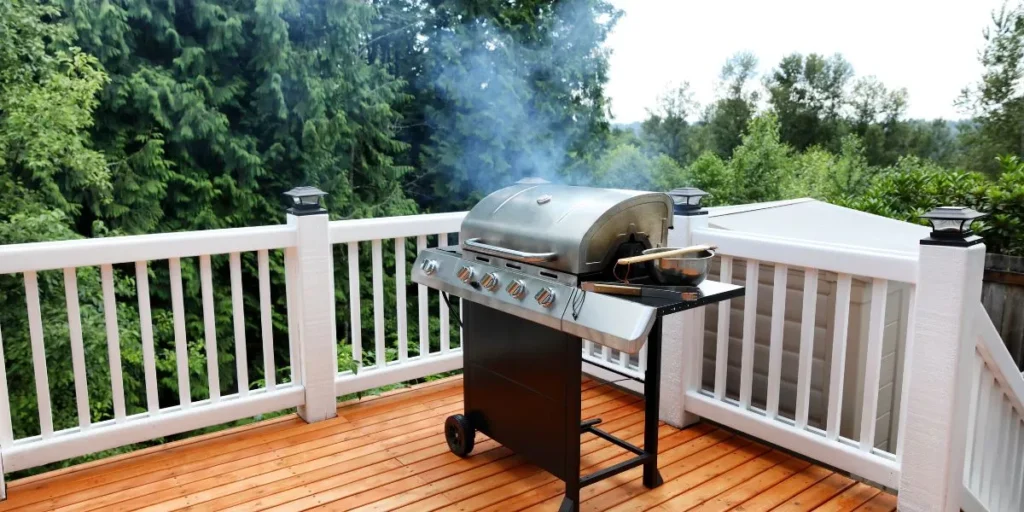
When setting up your outdoor cooking area, choose a location that’s well-ventilated and away from any flammable materials. Opt for an open space where smoke can disperse easily, preventing it from accumulating and becoming a health hazard. Make sure there are no overhanging branches or structures that could catch fire from your grill or stove.
Select a spot that’s on level ground to ensure stability while cooking. This will prevent accidents like spills or tipping over of equipment. Additionally, cooking on level ground helps with even heat distribution and proper cooking of your food.
Avoid setting up your outdoor cooking area too close to your house or any other buildings. Maintaining a safe distance reduces the risk of accidental fires spreading to structures. It also prevents smoke or odors from infiltrating indoor spaces.
Proper Equipment Maintenance
Properly maintaining your outdoor cooking equipment is essential for ensuring safety and efficiency in your cooking area. Regularly inspect your grill, stove, or any other cooking equipment for signs of wear and tear. Clean the grates, burners, and surfaces after each use to prevent grease buildup, which can lead to flare-ups and potential hazards. Check for gas leaks by applying a soapy water solution to the connections and watching for bubbles. Replace any damaged or worn-out parts promptly to avoid malfunctions during cooking.
Keep your equipment covered when not in use to protect it from the elements and prolong its lifespan. Store propane tanks in a well-ventilated area away from direct sunlight and heat sources. Ensure that all knobs, handles, and wheels are in good working condition. Regularly lubricate moving parts to prevent rust and ensure smooth operation. By taking the time to properly maintain your outdoor cooking equipment, you can enjoy safe and delicious meals with peace of mind.
Fire Safety Precautions
Take precautions to prevent fires when using your outdoor cooking area. Safety should always be a top priority when cooking outdoors. To minimize fire risks, start by keeping your cooking area clear of any flammable materials such as paper towels, wooden utensils, or cleaning supplies. Make sure to place your grill or cooking equipment at a safe distance from your house, trees, or any other structures. Additionally, check for any overhanging branches that could potentially catch fire.
When cooking, never leave your grill or stove unattended. Always have a fire extinguisher or a bucket of sand nearby in case of emergencies. It’s also essential to regularly inspect your equipment for any gas leaks or faulty wiring that could lead to a fire hazard. Ensure that children and pets are kept away from the cooking area to prevent accidents.
Organization and Cleanliness
Maintain a clutter-free outdoor cooking area to enhance safety and efficiency. By keeping your outdoor cooking space organized and clean, you reduce the risk of accidents and create a more pleasant cooking environment. Start by arranging your cooking tools in a designated area, ensuring they’re easily accessible yet safely stored away from the cooking area. Regularly clean your grill and cooking surfaces to prevent grease buildup that can lead to flare-ups. Store cleaning supplies nearby for quick and easy maintenance after each use.
Additionally, create separate zones for food preparation, cooking, and serving to streamline your outdoor cooking process. Keep raw meats separate from ready-to-eat foods to prevent cross-contamination. Use cutting boards and utensils specifically designated for raw meats to maintain food safety. Dispose of food scraps and packaging promptly to avoid attracting pests.