When venturing into the forest, ensuring you have the right skills and tools can make all the difference between a successful hike and a potentially disorienting experience. Imagine a scenario where a simple step off the trail leads to confusion about your whereabouts. How would you navigate back to safety without the proper preparations in place? Stay tuned to discover practical tips that can help you navigate the wilderness with confidence and avoid the unnerving feeling of being lost in the vast expanse of trees and trails.
Choosing the Right Trail
When starting your hike, always choose a trail that matches your skill level and time availability. Selecting a trail that aligns with your abilities ensures an enjoyable and safe outdoor experience. Consider factors such as distance, elevation gain, terrain difficulty, and estimated time to complete the hike. If you’re a beginner, opt for well-marked and shorter trails with minimal elevation changes. For more experienced hikers, challenging routes with steeper inclines and rougher terrain may be suitable.
Before embarking on your hike, research the trail options available in the area. Look into trail maps, reviews, and difficulty ratings to make an informed decision. Additionally, consider the time of day and weather conditions when choosing a trail. It’s essential to factor in the time needed to complete the hike and ensure you have ample daylight remaining to return safely. By carefully selecting a trail that matches your skill level and time constraints, you can set yourself up for a successful and rewarding outdoor adventure.
Packing Essential Navigation Tools
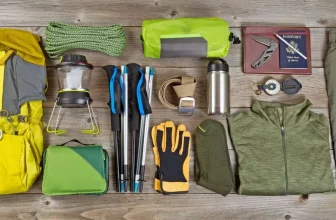
Consider including a compass, map, and GPS device in your backpack when preparing for a forest hike to enhance your navigation capabilities. These essential tools can be lifesavers when it comes to staying on track during your outdoor adventure.
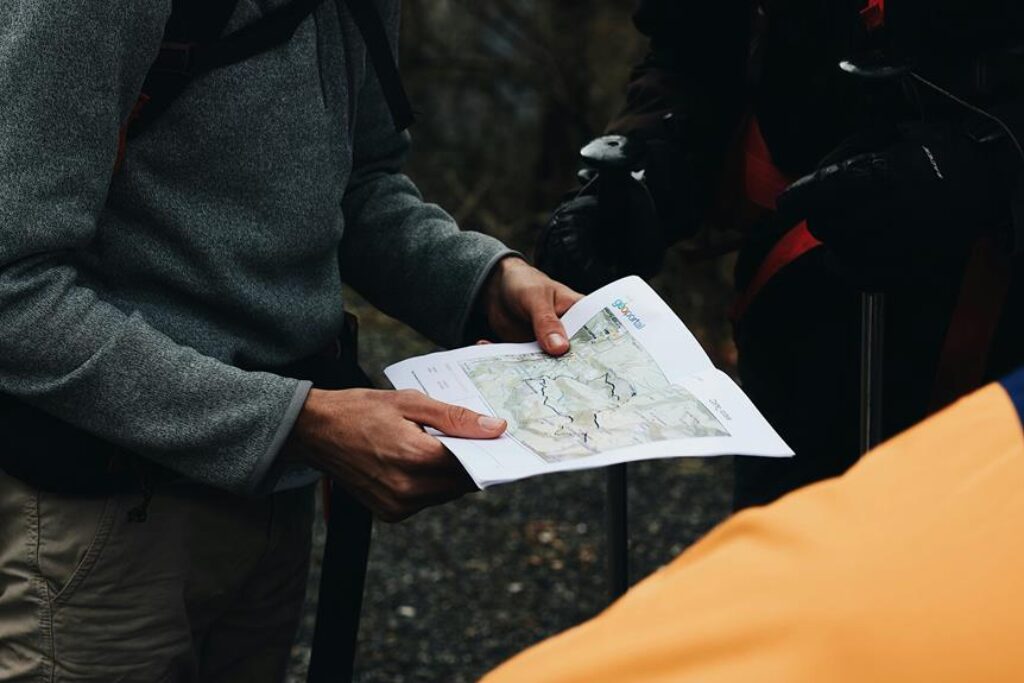
A compass is a fundamental tool that can help you determine your direction even in areas with poor visibility or when electronic devices fail. Pairing it with a detailed map of the area will provide you with valuable information about the terrain, nearby landmarks, and potential hazards.
In addition to a map and compass, a GPS device can offer precise location data and real-time tracking, making it easier to pinpoint your position and navigate through unfamiliar trails. Remember to pack extra batteries or a portable charger to ensure that your GPS device remains functional throughout your hike.
Understanding Natural Markers
To enhance your navigation skills in the forest, familiarize yourself with natural markers that can guide you along the trail. Pay attention to prominent landmarks like large trees, distinctive rock formations, or bodies of water. These features can serve as reference points to help you stay on course. Additionally, observe the direction of the sun or the flow of streams, as these can provide valuable clues about your orientation in the forest. Keep an eye out for animal tracks or trails, as they often lead to sources of water or clearings. Understanding how wildlife interacts with the environment can offer insights into finding your way back to safety.
Moreover, be mindful of subtle signs such as changes in vegetation or the slope of the land. Transition zones between different types of terrain can indicate boundaries or pathways. By honing your awareness of these natural markers, you can navigate the forest more confidently and mitigate the risk of getting lost.
Communicating Your Plans
Make sure you inform someone reliable about your hiking itinerary before heading into the forest. This step is crucial for your safety in case something goes wrong. By sharing your plans with a trusted individual, you provide them with essential information that can aid rescuers in locating you if needed.
Clearly communicate your starting point, planned route, expected return time, and any emergency contacts. It’s wise to give them a map of the area you intend to explore and discuss what to do if you fail to check in as scheduled. In addition to verbal communication, consider leaving a written note in your vehicle with the same details.
Remember that unexpected situations can arise, and having someone aware of your plans significantly increases the chances of a timely rescue. Prioritizing this simple yet effective measure can make a significant difference in ensuring your well-being while hiking in the forest.