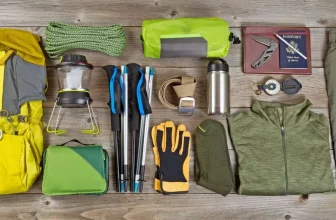

When braving extreme weather for your outdoor workout sessions, safety should be your top priority. From scorching heat to freezing cold, each element poses unique challenges that require careful consideration. So, how can you protect yourself effectively to ensure a safe exercise routine in such conditions? Let’s explore some essential tips that will help you navigate the unpredictability of extreme weather and keep you safe during your outdoor fitness endeavors.
Understanding Weather Conditions
When planning to exercise outdoors in extreme weather, remember that understanding weather conditions is crucial for your safety. Before heading out, always check the weather forecast to prepare adequately. Extreme heat can lead to heat exhaustion or heatstroke, while extreme cold can cause hypothermia. Knowing the temperature, humidity levels, wind speed, and any impending storms can help you plan your workout effectively.
During hot weather, opt for early mornings or evenings when temperatures are cooler. Wear light-colored, breathable clothing, and stay hydrated. In cold weather, layer up to trap heat close to your body and protect yourself from frostbite. Be mindful of wind chill factors and adjust your layers accordingly.
In case of severe weather warnings, such as thunderstorms, hurricanes, or blizzards, it’s best to postpone your outdoor workout. Your safety should always come first. By staying informed and adapting your plans to the weather conditions, you can enjoy a safe and effective outdoor workout experience.
Proper Hydration and Nutrition
To ensure your safety and performance while exercising outdoors in extreme weather, maintaining proper hydration and nutrition is key. When facing high temperatures or intense cold, your body requires more water to stay hydrated. Remember to drink water before, during, and after your workout. Electrolyte-rich beverages can also help replenish minerals lost through sweat.
Additionally, fueling your body with the right nutrients is crucial for energy and endurance. Consume a balanced meal with carbohydrates, proteins, and healthy fats before your outdoor workout. Snack on easily digestible foods like energy bars or fruits to keep your energy levels up during exercise. It’s essential to listen to your body’s signals and adjust your intake accordingly. Avoid sugary drinks and foods high in saturated fats, as they can weigh you down and affect your performance.
Appropriate Clothing and Gear
Ensuring you wear suitable clothing and gear is essential for your safety and comfort when exercising outdoors in extreme weather. In hot conditions, opt for lightweight, moisture-wicking fabrics that allow your skin to breathe and sweat to evaporate, helping to regulate your body temperature. Consider wearing a hat and sunglasses to protect yourself from the sun’s harmful rays.
For cold weather, dress in layers to trap heat close to your body while still allowing moisture to escape. A moisture-wicking base layer, insulating mid-layer, and waterproof outer layer are ideal for staying warm and dry. Don’t forget gloves, a hat, and thermal socks to protect your extremities. In windy conditions, a windproof jacket can shield you from chilling gusts.
Proper footwear is crucial in all weather conditions to provide support, traction, and protection from the elements. Choose shoes with good grip for slippery surfaces and consider using moisture-wicking socks to prevent blisters. By dressing appropriately, you can stay safe and enjoy your outdoor workout regardless of the weather.
Safety Measures and Emergency Plans
To ensure your safety while exercising outdoors in extreme weather, familiarize yourself with safety measures and emergency plans. Before heading out, always check the weather forecast and adjust your plans accordingly. It’s crucial to stay hydrated and carry water with you, especially in hot weather. In case of emergencies, make sure someone knows your workout route and estimated return time. Consider wearing identification and carrying a phone for communication.
Developing an emergency plan is essential. Know the signs of heat exhaustion, frostbite, or other weather-related illnesses, and understand how to respond. If you exercise in remote areas, learn basic first aid and consider taking a course in wilderness medicine. Always carry a small first aid kit with essentials like bandages, antiseptic wipes, and pain relievers.
Additionally, familiarize yourself with the area’s emergency services and how to reach them quickly if needed. Being prepared and informed can make a significant difference in your safety while exercising outdoors in extreme weather. Stay vigilant and prioritize your well-being.