When planning a camping trip for solo travelers, the key is to meticulously organize every detail to ensure a safe and enjoyable experience. From selecting the ideal campground to packing essential gear, each step plays a crucial role in the success of your journey. Safety precautions, such as sharing your itinerary and having emergency contacts, are vital for peace of mind during your solo adventure. As you embark on this journey, remember that thorough planning is your best companion.
Choosing the Right Camping Destination
When selecting your camping destination, consider the terrain and facilities available to ensure a safe and enjoyable experience. Research the area to understand the type of terrain you’ll encounter. Are you looking for a challenging hike, or do you prefer a more leisurely stroll? Knowing the terrain will help you pack appropriate gear and set realistic expectations for your adventure.
Check if the campsite offers facilities such as bathrooms, potable water, and designated cooking areas. These amenities can make your solo camping trip more comfortable and convenient.
Additionally, consider the weather conditions of the location during your planned visit. Packing accordingly for the climate will help you stay prepared for any unexpected changes in weather.
Researching the destination’s rules and regulations is also crucial. Some campsites have specific guidelines regarding fires, wildlife interaction, and waste disposal.
Essential Gear and Packing Tips
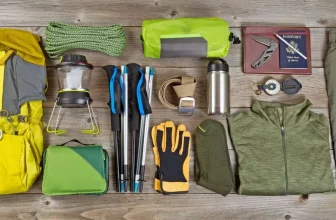
To ensure a successful solo camping trip, pack essential gear thoughtfully and efficiently. Start with the basics: a sturdy tent, sleeping bag, sleeping pad, and camping stove. Opt for lightweight, compact versions to make carrying them easier. A multi-tool, headlamp, and extra batteries are must-haves for any camping excursion.
Pack weather-appropriate clothing, considering both hot and cold conditions. Quick-dry materials are ideal for their versatility. Don’t forget a first aid kit with essentials like bandages, pain relievers, and any personal medications. Food storage containers, water bottles or a hydration system, and a map or GPS device are crucial for your journey. Remember toiletries, sunscreen, and insect repellent for comfort.
When packing, organize your gear logically to access items easily. Prioritize essentials and consider weight distribution in your backpack. Lastly, double-check your gear list to ensure nothing vital is left behind. By packing efficiently, you set yourself up for a smooth and enjoyable solo camping experience.
Safety Precautions for Solo Travelers
Ensuring your safety as a solo traveler is paramount when embarking on a camping trip. Prioritize choosing a safe campground with good reviews and facilities.
Let someone know your itinerary and expected return date. Pack a first aid kit, emergency supplies, and a whistle for signaling. Stay aware of your surroundings and trust your instincts. Avoid sharing personal details with strangers and be cautious when interacting with others.
Keep emergency contacts handy and have a backup communication plan in case of no signal. Familiarize yourself with local wildlife and plants to prevent accidents. Always lock your belongings and secure your tent when leaving the campsite.
Trust yourself but also be open to seeking help if needed. Remember, safety comes first when enjoying the great outdoors alone. By taking these precautions, you can have a more secure and enjoyable solo camping experience.
Planning Your Camping Itinerary
Staying organized and planning your camping itinerary thoroughly can enhance your overall solo travel experience. Start by selecting a destination that aligns with your interests and desired activities. Research the campsite’s facilities, nearby attractions, and any necessary permits. Plan your daily schedule, considering travel time between locations and the time needed for activities like hiking or sightseeing.
Prioritize activities based on your preferences but remain flexible to accommodate unexpected changes in weather or road conditions. Make reservations in advance, especially during peak seasons, to secure your spot at campsites or popular tourist sites. Include downtime in your itinerary to relax and recharge without feeling rushed.
Consider creating a backup plan in case certain areas are overcrowded or inaccessible. Share your itinerary with a friend or family member for safety purposes, including details on where you plan to be each day. By thoughtfully planning your camping itinerary, you can make the most of your solo travel adventure while staying safe and organized.